Understanding the Difference Between Wood Shingles and Wood Shakes
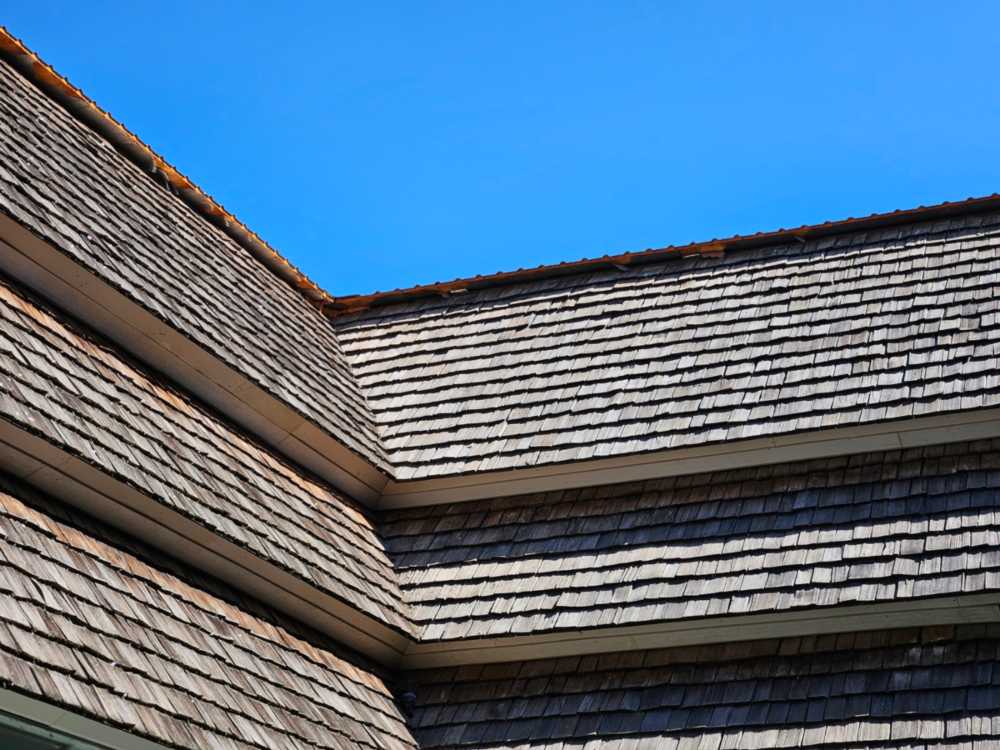
Choosing between wood shingles and wood shakes transforms the look and durability of your home. Most people confuse these two options because they both come from natural cedar trees. Wood shingles have smooth surfaces and uniform edges for a clean, modern appearance. Wood shakes offer a thick, hand-split texture that creates a rustic and bold style. Picking the right one ensures your roof lasts a long time and stays strong against the weather. Each wood shake roofing style has unique benefits for your protection and curb appeal. Knowing these details helps you invest wisely in your home’s future. Explore how these beautiful natural materials can upgrade your roof today.
How Wood Shingles and Shakes Are Made
Wood shingles and wood shakes are made from the same high-quality cedar, yet their production methods yield different roofing materials. Each option brings its own look and performance traits, so understanding how they are made helps homeowners choose the right fit. Wood shingles come from precise sawing methods that create a smooth, even profile. Wood shakes rely on a more rugged split-and-sawn process that produces a thicker, textured surface. The features introduced during manufacturing influence appearance, durability, and how each product performs once installed. Below is a closer look at how these roofing materials are made:
How Wood Shingles Are Made
- Machine Sawn on Both Sides for Consistent Size and Shape – Each piece goes through equipment that creates a smooth, uniform finish. This method supports a clean, refined look once installed.
- Cut With a Tapered Form to Support Water Flow – The sawing process shapes the shingle so water moves easily off the roof. This tapering keeps the material lightweight and easy to place.
How Wood Shakes Are Made
- Split By Hand or Machine to Create a Textured Face – This technique produces a rougher surface with natural grain variation. The split gives the shake its thicker, more rustic character.
- Formed With a Sawn Back and a Split Front for Added Depth – The combination of sawing and splitting creates irregular thickness across each piece. This process gives wood shakes a bold profile once installed.
Closer Look at the Differences
A wood shingle roof and a wood shake roof may look similar from a distance, yet the details set them apart. Each material brings its own texture, shape, and performance qualities. These differences guide homeowners toward the right match for their home’s style and long-term goals. Shingles offer a smoother, refined appearance, which shakes deliver a bold, layered profile. Thickness, durability, and cost also shift between the two materials. The points below outline these distinctions so the selection process feels clear and straightforward:
- Appearance & Texture – Wood shingles have a smooth, even finish that creates a clean, uniform look on the roof. Wood shakes show deeper grain and heavier texture, giving a home a strong natural character. Both options deliver a classic cedar style, yet they differ in how bold or refined the surface appearances.
- Thickness & Profile – Wood shingles keep a thinner, consistent shape that forms neat, crisp lines. Wood shakes come in thicker prices with varying edges, creating a more layered, dimensional surface. These differences result in two distinct profiles once installed.
- Durability & Performance – Wood shingles shed water efficiently due to their uniform shape. Wood shakes handle harsh weather well thanks to their added thickness and textured surface. Each choice supports strong performance, though the shake’s heavier build adds notable strength.
- Cost Differences – Wood shingles usually come at a lower price because they require less material and machine-based shaping. Wood shakes require more labor and thicker cuts, which raises the overall cost. Many homeowners select based on style and long-term goals rather than price alone.
When to Choose Shingles vs Shakes
Deciding between wood shingles and wood shakes requires a careful evaluation of your home’s architectural style and your specific performance needs. While both options offer exceptional natural beauty, they provide different aesthetic results and physical profiles. Many homeowners prefer wood roof shingles for a clean, uniform appearance that complements modern or traditional designs with precision. Conversely, those seeking a more rugged and textured look often lean toward shakes. Understanding the distinct structural characteristics of each material ensures your investment aligns with your long-term vision for property maintenance and visual appeal. Below is an outline of when each option would work best so the selection process feels clear and practical:
When to Choose Wood Shingles
- Wood shingles work well for homeowners who want a smooth, uniform surface with a refined finish. They provide a clean look that fits traditional and modern homes with ease.
- This option suits homes that need lighter roofing material with easy placement. The consistent shape creates a predictable installation and steady long-term performance.
When to Choose Wood Shakes
- Wood shakes fit projects that call for a bold, textured roof with natural character. Their heavier grain patterns stand out on homes with rustic or detailed architectural designs.
- This material is ideal for areas that benefit from thicker roofing pieces. The added depth supports strong protection and a more dramatic finished appearance.
Choose the Right Roofing System Today
Deciding between a refined wood shingle roof and the rugged charm of wood shake roofing remains a vital step in your home improvement journey. Both options provide incredible natural insulation and timeless curb appeal that synthetic materials cannot replicate. Our team of specialists possesses the expertise to install these high-quality cedar products with precision and care. Contact our office today to schedule a professional consultation and receive a detailed estimate for your property. We look forward to helping you achieve the perfect aesthetic for your home through our dedicated craftsmanship and premium materials.